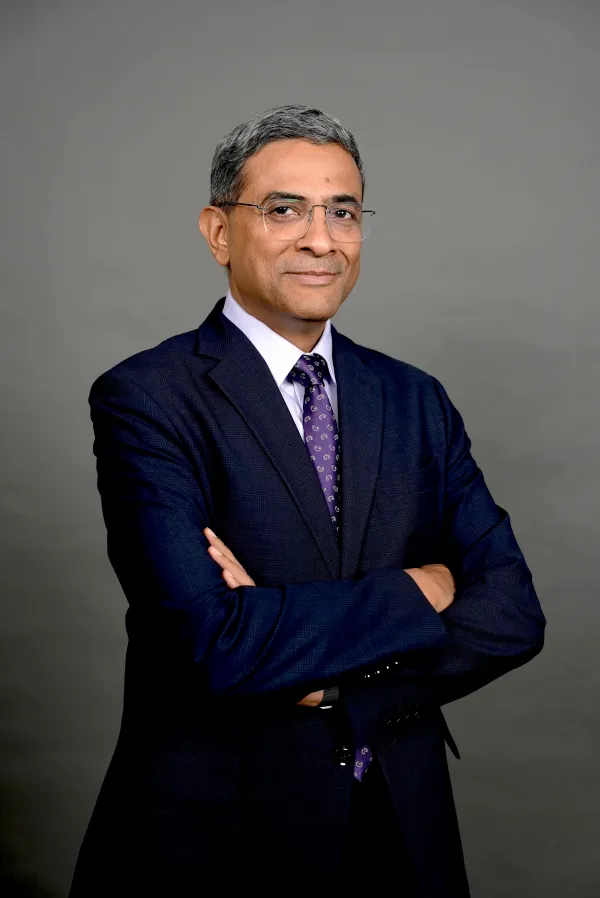
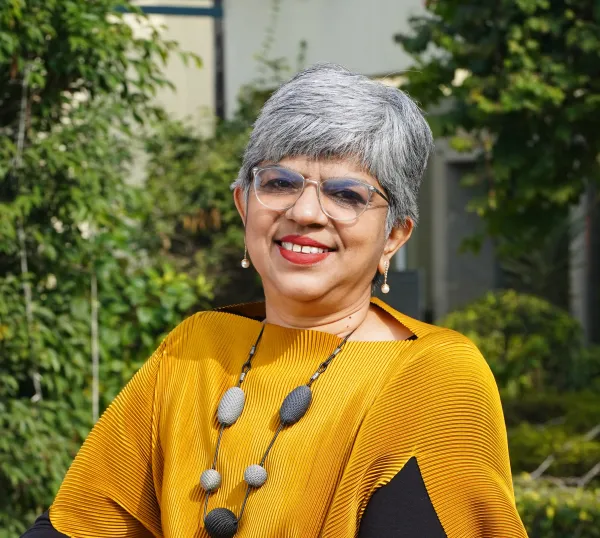
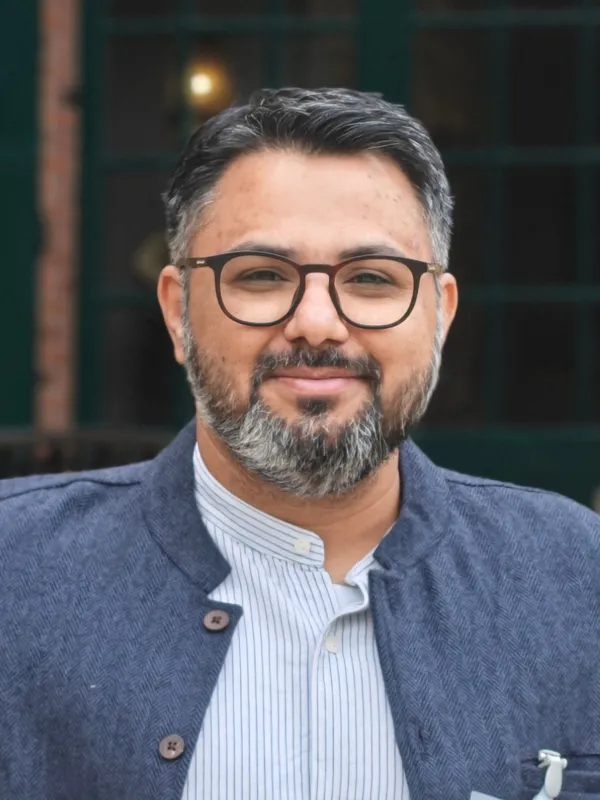
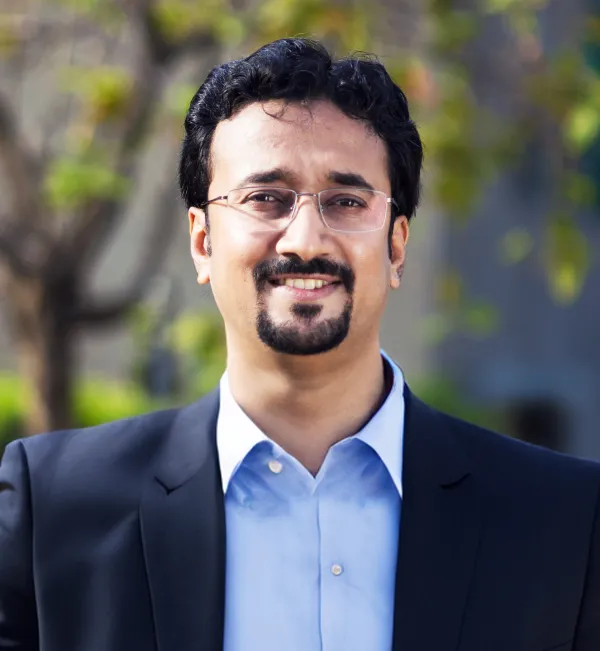
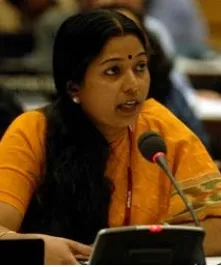
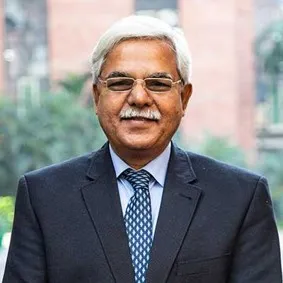
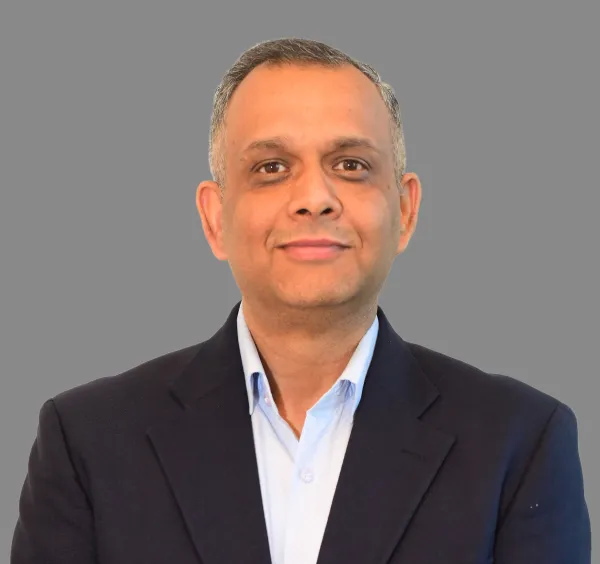
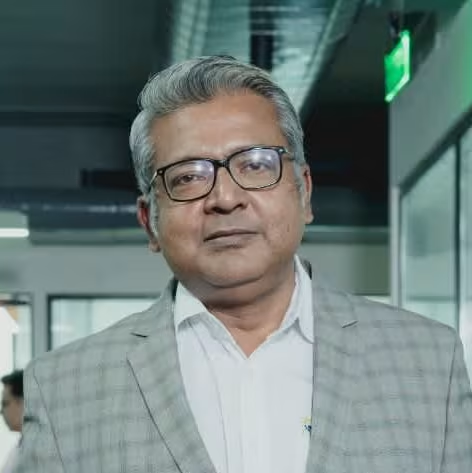
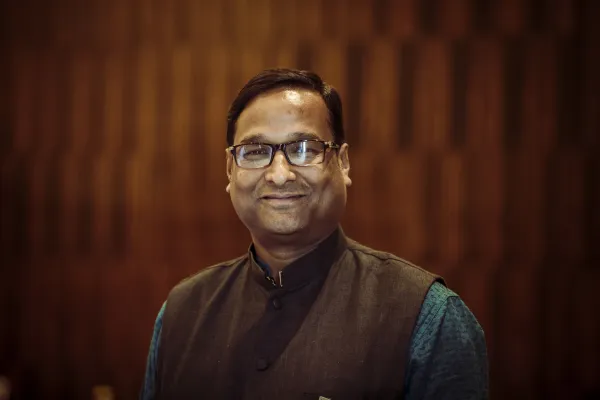
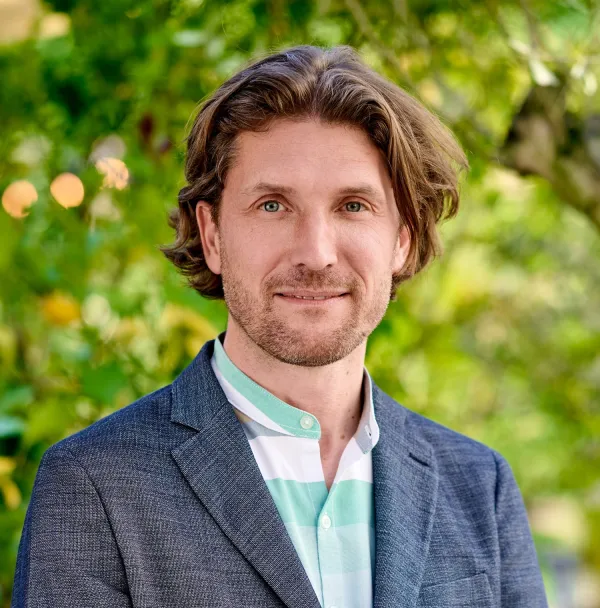
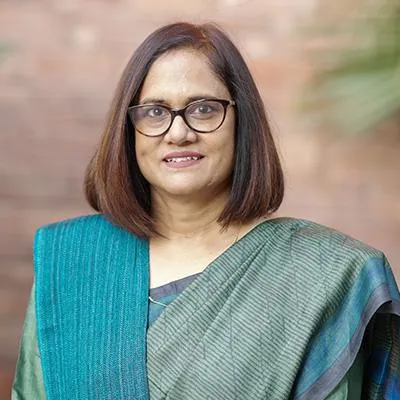
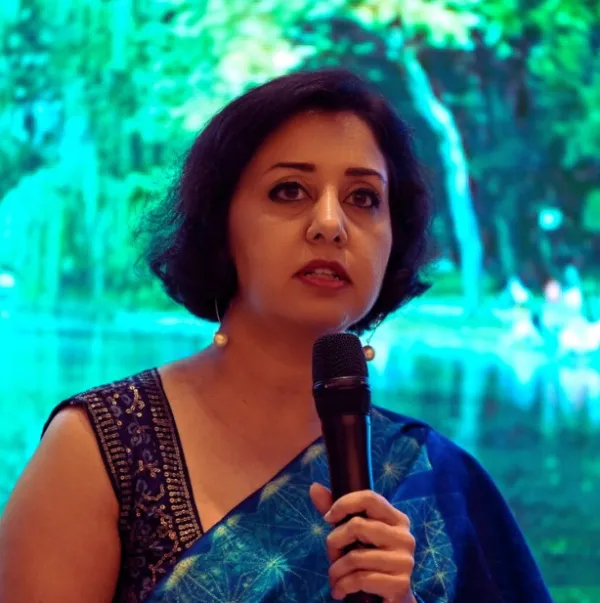
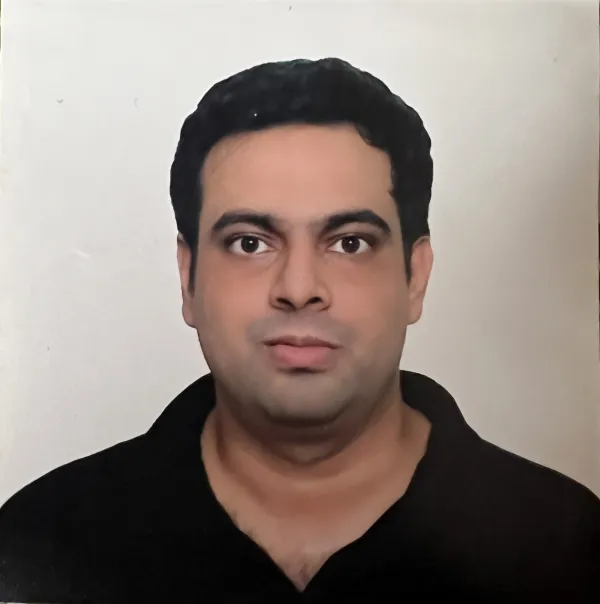
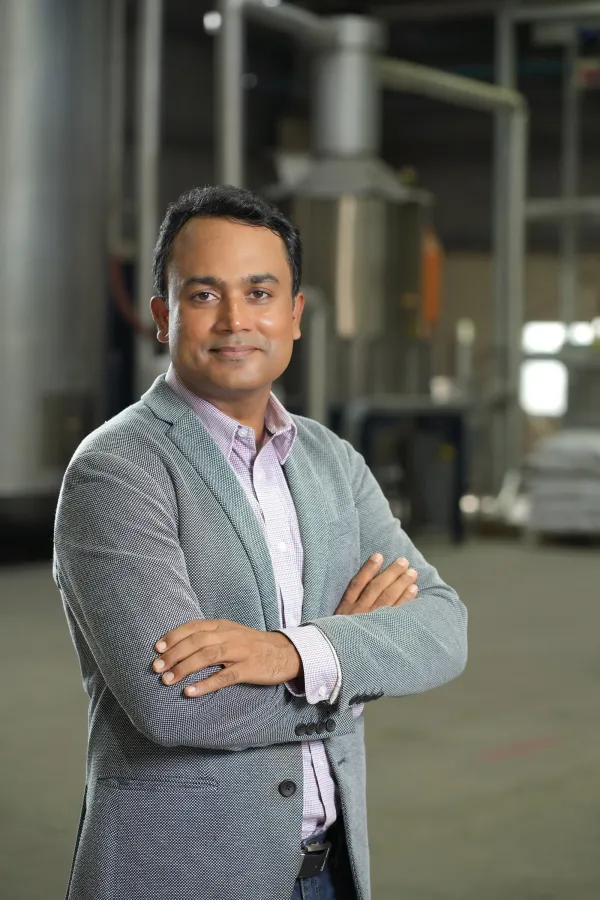
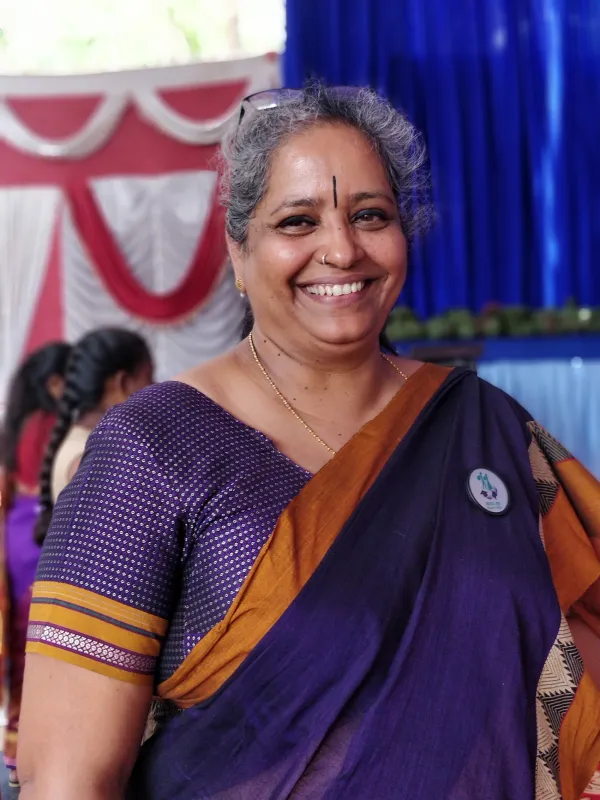
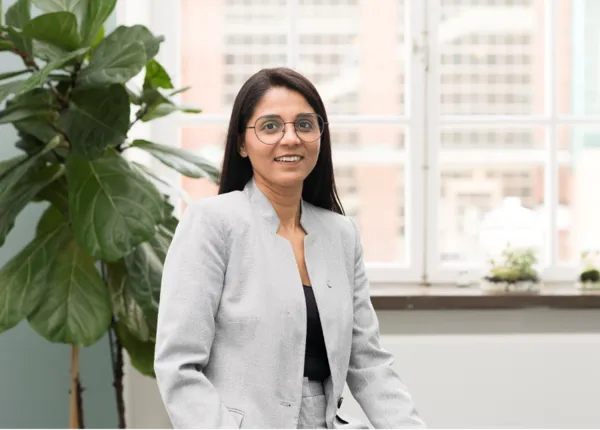
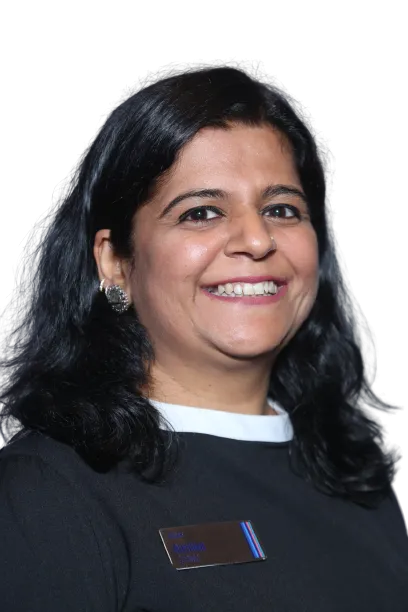
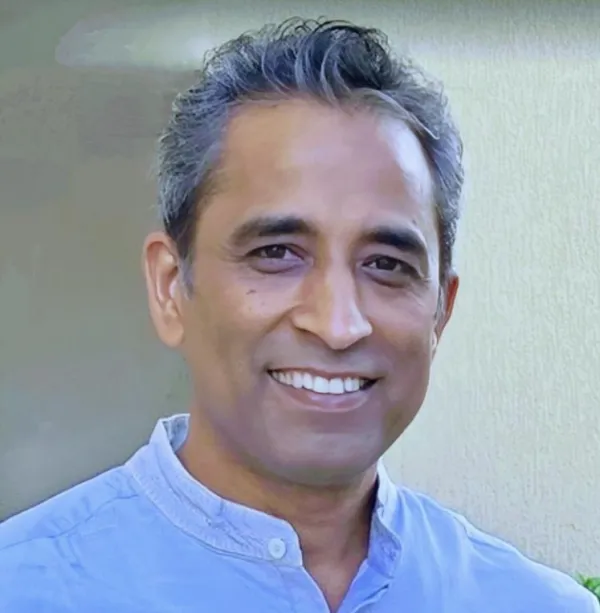
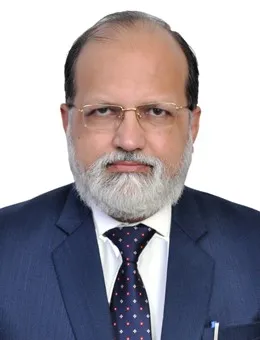
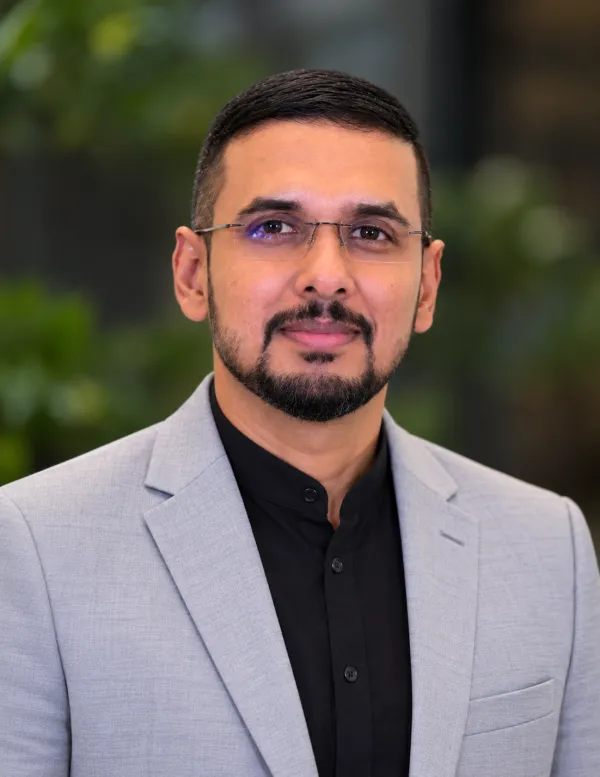
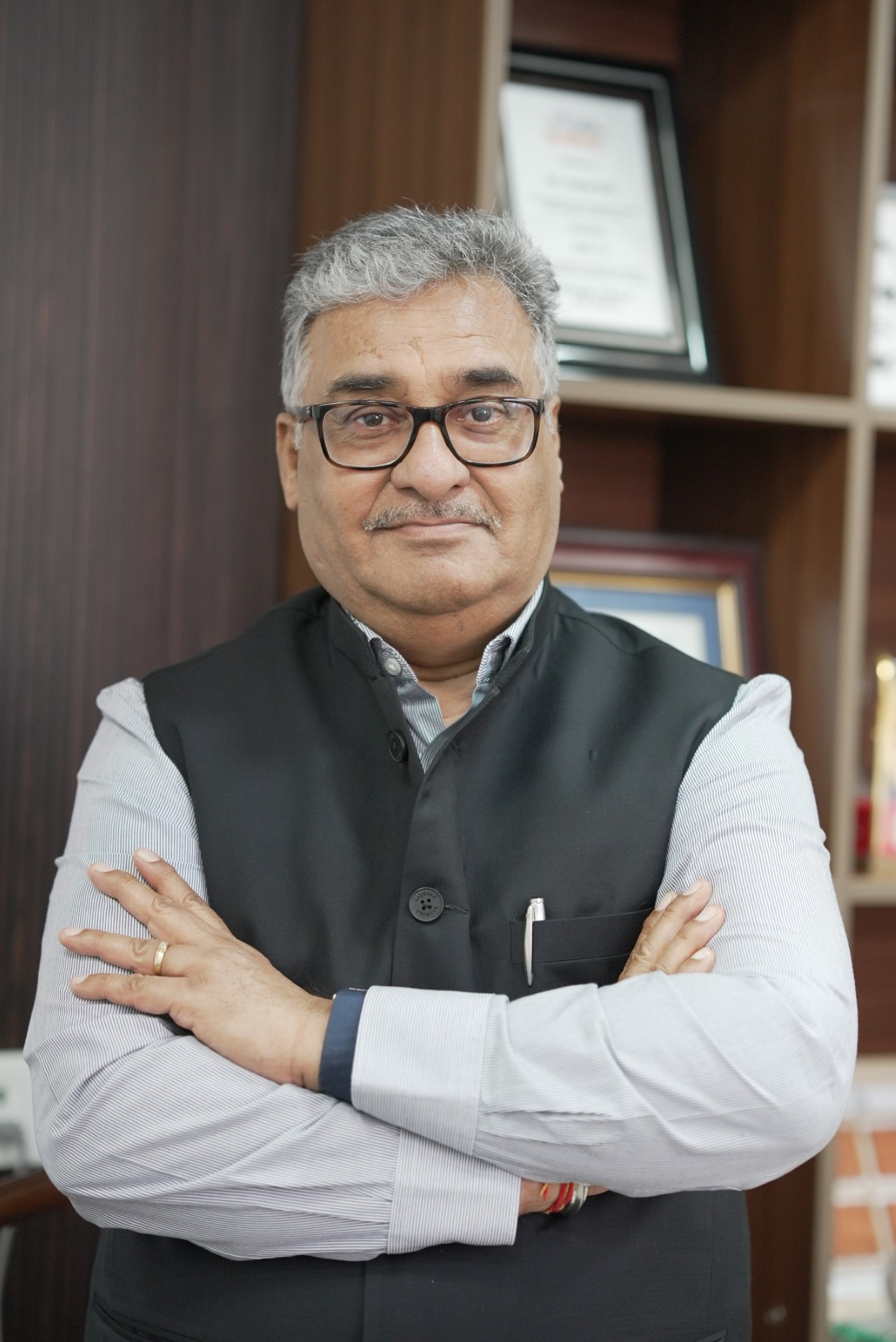
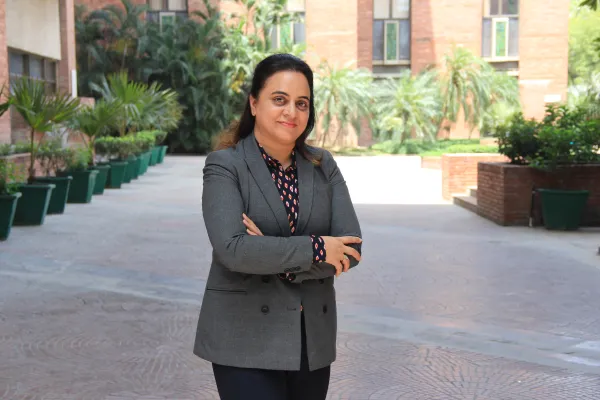
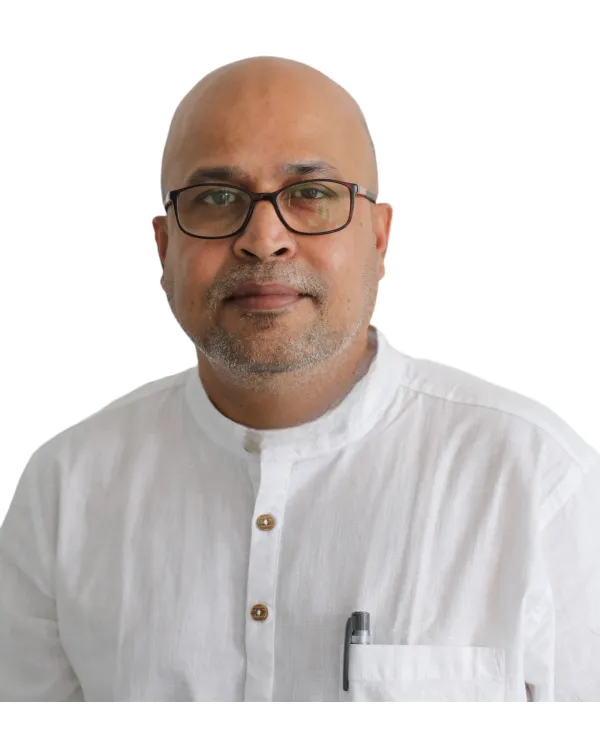
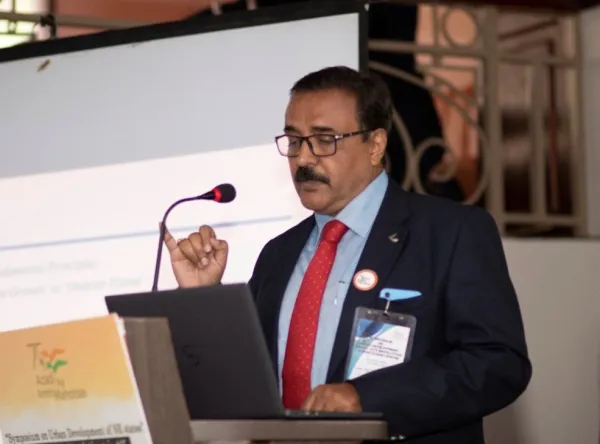
Mr. Sreedhar N.
Senior Vice President & CEO - Asia Pacific and India, Saint-Gobain
Dr. Kalpana Viswanath
Co-founder, Safetipin
Mr. Naim Keruwala
Regional Director, South & West Asia, C40 Cities Climate Leadership Group
Mr. Manish Dabkara
Chairman & MD, EKI Energy Services Ltd.
Ms. Rajasree Ray
Economic Adviser, Ministry of Environment, Forest & Climate Change, Government of India
Mr. Rajani Ranjan Rashmi
Distinguished Fellow & Programme Director, The Energy and Resources Institute (TERI) and Former Chief Secretary, State Government of Manipur
Dr. Sachin Kumar
Vice President, Energiva Ventures
Mr. Samit Mitra
Managing Director, Country Delivery, India, GEAPP
Dr. Anjal Prakash
Professor of Public Policy, FLAME University
Dr. Sudipti Arora
Director - Research & Innovation, Dr. B. Lal Institute of Biotechnology, Jaipur
Mr. Sebastiaan Stiller
CEO, EPD International AB
Smt. Jaya Varma Sinha
Information Commissioner, Central Information Commission
Ms. Nidhi Madan
Director, Cities and Urban Landscape, Raahgiri Foundation
Ms. Aditi Sajwan
India Water Portal
Dr. Hariharan Chandrashekar
Ecological Economist & Sustainability Mentor, Alttech Foundation
Dr. George H. Berghorn
Assistant Professor of Construction Management - School of Planning, Design and Construction, Michigan State University. Co-founder - Research Director for MassTimber@MSU, and an Adjunct Assistant Professor of Sustainable Wood Construction in the Department of Forestry.
Mr. Dean Gabriel D'Cruz
Architect and Creative Head, Mozaic
Dr. Souradeep Gupta
Assistant Professor, Centre for Sustainable Technologies, Indian Institute of Science (IISc), Bangalore
Mr. Mani Vajipey
Co-Founder & CEO, Banyan Nation
Ms. Nalini Shekhar
Co-Founder, Director of Finance and Special Projects, Hasiru Dala
Ms. Rupali Deshmukh
Country Manager - India, IVL Swedish Environmental Research Institute. CEO - IVL India Environmental R&D Private Limited, Mumbai, India.
Ms. Ruchika Chawla
Associate Partner, KPMG in India
Mr. Deokant Payasi
Co-founder, Trustee, and CEO, SayTrees Environmental Trust
Mr. Sanjay Pant
Former DDG (Standardization-II), Bureau of Indian Standards (BIS)
Dr. Sajit Shankar
Director of Thermochem Corporation Pvt. Ltd.
Dr. Debolina Kundu
Director, National Institute of Urban Affairs
Ms. Mahua Acharya
Founder & CEO, International Energy Transition Platform
Mr. Aakarsh Shamanur
Architect, Sustainable Warehousing & Industrial Infrastructure
Mr. Depinder Kapur
Senior Development and WASH expert, International and National Development Agencies
Ms. Anu Sabhlok
Professor, Department of Humanities & Social Sciences, Indian Institute of Science Education & Research
Ms. Leena Nandan
The Energy and Resources Institute, Senior Advisor at the National Productivity Council & Consultant at the Indo-German Energy Programme.
Ms. Zerin Osho
Director, India Program, Institute for Governance & Sustainable Development (IGSD)
Ms. Vibha Dhawan
President, GRIHA Council and Director General, The Energy and Resources Institute (TERI)
Mr. Sanjay Seth
Vice President & CEO, GRIHA Council and Executive Director – Strategy & Partnerships, The Energy and Resources Institute (TERI)
Ms. Shabnam Bassi
Deputy CEO & Secretary, GRIHA Council and Director, Sustainable Buildings, The Energy and Resources Institute (TERI)
Mr. Atin Biswas
Program Director, Centre for Science and Environment, New Delhi
Dr. Subrata Chattopadhyay
Emeritus Professor, Architecture &S Regional Planning, Indian Institute of Technology (IIT) Kharagpur
Mr. Ganesh Shankar
Founder & CEO, Fluxgen
Mr. Sourav Kumar Biswas
Co-founder & Director, Resilient Infrastructure at Sponge Collaborative
Mr. Akash Deep
Deputy General Manager & Treasurer, GRIHA Council
Mr. Sreedhar N.
Senior Vice President & CEO - Asia Pacific and India, Saint-Gobain
Dr. Kalpana Viswanath
Co-founder, Safetipin
Mr. Naim Keruwala
Regional Director, South & West Asia, C40 Cities Climate Leadership Group
Mr. Manish Dabkara
Chairman & MD, EKI Energy Services Ltd.
Ms. Rajasree Ray
Economic Adviser, Ministry of Environment, Forest & Climate Change, Government of India
Mr. Rajani Ranjan Rashmi
Distinguished Fellow & Programme Director, The Energy and Resources Institute (TERI) and Former Chief Secretary, State Government of Manipur
Dr. Sachin Kumar
Vice President, Energiva Ventures
Mr. Samit Mitra
Managing Director, Country Delivery, India, GEAPP
Dr. Anjal Prakash
Professor of Public Policy, FLAME University
Dr. Sudipti Arora
Director - Research & Innovation, Dr. B. Lal Institute of Biotechnology, Jaipur
Mr. Sebastiaan Stiller
CEO, EPD International AB
Smt. Jaya Varma Sinha
Information Commissioner, Central Information Commission
Ms. Nidhi Madan
Director, Cities and Urban Landscape, Raahgiri Foundation
Ms. Aditi Sajwan
India Water Portal
Dr. Hariharan Chandrashekar
Ecological Economist & Sustainability Mentor, Alttech Foundation
Dr. George H. Berghorn
Assistant Professor of Construction Management - School of Planning, Design and Construction, Michigan State University. Co-founder - Research Director for MassTimber@MSU, and an Adjunct Assistant Professor of Sustainable Wood Construction in the Department of Forestry.
Mr. Dean Gabriel D'Cruz
Architect and Creative Head, Mozaic
Dr. Souradeep Gupta
Assistant Professor, Centre for Sustainable Technologies, Indian Institute of Science (IISc), Bangalore
Mr. Mani Vajipey
Co-Founder & CEO, Banyan Nation
Ms. Nalini Shekhar
Co-Founder, Director of Finance and Special Projects, Hasiru Dala
Ms. Rupali Deshmukh
Country Manager - India, IVL Swedish Environmental Research Institute. CEO - IVL India Environmental R&D Private Limited, Mumbai, India.
Ms. Ruchika Chawla
Associate Partner, KPMG in India
Mr. Deokant Payasi
Co-founder, Trustee, and CEO, SayTrees Environmental Trust
Mr. Sanjay Pant
Former DDG (Standardization-II), Bureau of Indian Standards (BIS)
Dr. Sajit Shankar
Director of Thermochem Corporation Pvt. Ltd.
Dr. Debolina Kundu
Director, National Institute of Urban Affairs
Ms. Mahua Acharya
Founder & CEO, International Energy Transition Platform
Mr. Aakarsh Shamanur
Architect, Sustainable Warehousing & Industrial Infrastructure
Mr. Depinder Kapur
Senior Development and WASH expert, International and National Development Agencies
Ms. Anu Sabhlok
Professor, Department of Humanities & Social Sciences, Indian Institute of Science Education & Research
Ms. Leena Nandan
The Energy and Resources Institute, Senior Advisor at the National Productivity Council & Consultant at the Indo-German Energy Programme.
Ms. Zerin Osho
Director, India Program, Institute for Governance & Sustainable Development (IGSD)
Ms. Vibha Dhawan
President, GRIHA Council and Director General, The Energy and Resources Institute (TERI)
Mr. Sanjay Seth
Vice President & CEO, GRIHA Council and Executive Director – Strategy & Partnerships, The Energy and Resources Institute (TERI)
Ms. Shabnam Bassi
Deputy CEO & Secretary, GRIHA Council and Director, Sustainable Buildings, The Energy and Resources Institute (TERI)
Mr. Atin Biswas
Program Director, Centre for Science and Environment, New Delhi
Dr. Subrata Chattopadhyay
Emeritus Professor, Architecture &S Regional Planning, Indian Institute of Technology (IIT) Kharagpur
Mr. Ganesh Shankar
Founder & CEO, Fluxgen
Mr. Sourav Kumar Biswas
Co-founder & Director, Resilient Infrastructure at Sponge Collaborative
Mr. Akash Deep
Deputy General Manager & Treasurer, GRIHA Council